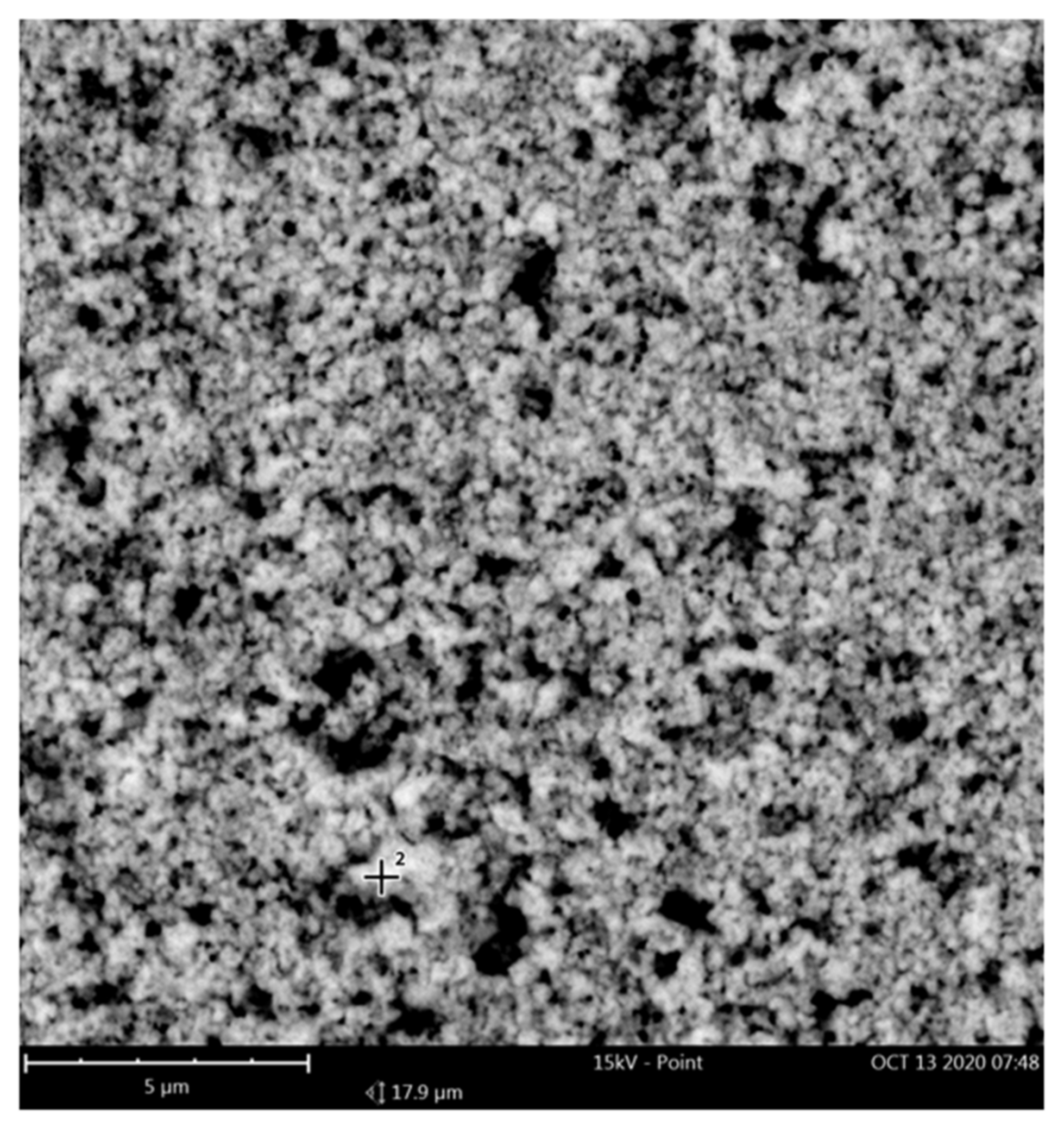
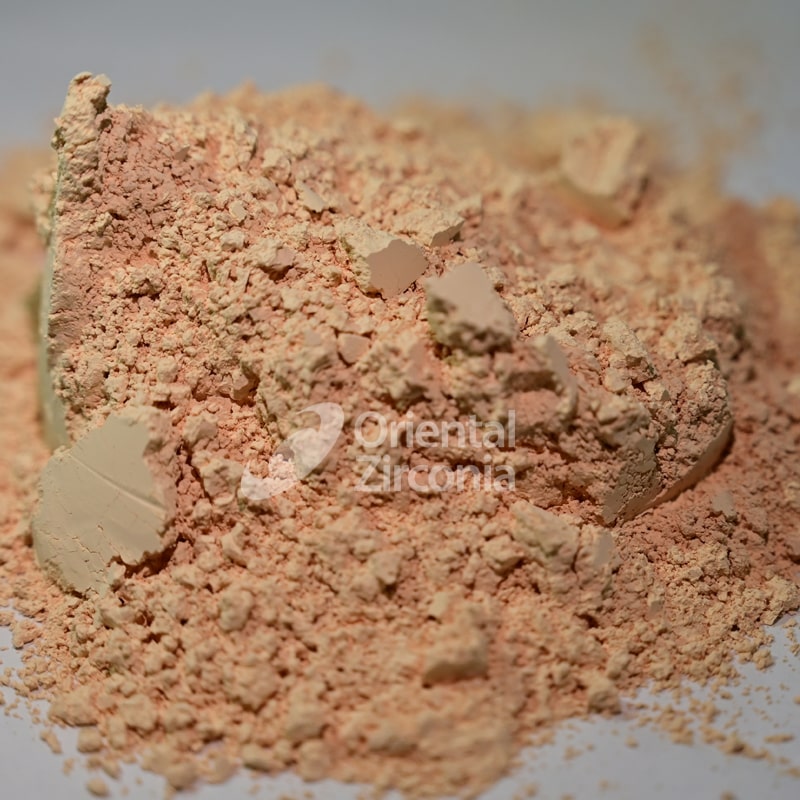
Cerium(III) oxide, also known as cerium oxide, cerium trioxide, cerium sesquioxide, cerous oxide or dicerium trioxide, is an oxide of the rare-earth metal cerium. It has chemical formula Ce2O3 and is gold-yellow in color. According to X-ray crystallography, the Ce(III) ions are seven-coordinate, a motif typical for other trivalent lanthanide oxides.
Applications
Cerium oxide is of commercial interest as a catalyst for oxidation of carbon monoxide and reduction of NOx. These applications exploit the facility of the Ce(III)/Ce(IV) redox couple. It is used in catalytic converters ("three-way catalytic converter") for the minimisation of CO emissions in the exhaust gases from motor vehicles. When there is a shortage of oxygen, cerium(IV) oxide is oxidizes carbon monoxide to the benign dioxide:
- 2 CeO2 CO → Ce2O3 CO2
When oxygen is in surplus, the process is reversed and cerium(III) oxide is oxidized to cerium(IV) oxide:
- 2 Ce2O3 O2 → 4 CeO2
Cerium oxide-based catalysts have been intensively investigated for selective catalytic reduction (SCR)of NOx. Such technologies, which tend to use vanadium oxide-based catalysts rather than ceria, are associated with power plants, foundaries, cement factories and other energy-intensive facilities.
Cerium oxide finds use as a fuel additive to diesel fuels, which results in increased fuel efficiency and decreased hydrocarbon derived particulate matter emissions, however the health effects of the cerium oxide bearing engine exhaust is a point of study and dispute.
Other properties
Water splitting
The cerium(IV) oxide–cerium(III) oxide cycle or CeO2/Ce2O3 cycle is a two step thermochemical water splitting process based on cerium(IV) oxide and cerium(III) oxide for hydrogen production.
Photoluminescence
Cerium(III) oxide combined with tin(II) oxide (SnO) in ceramic form is used for illumination with UV light. It absorbs light with a wavelength of 320 nm and emits light with a wavelength of 412 nm. This combination of cerium(III) oxide and tin(II) oxide is rare, and obtained only with difficulty on a laboratory scale.
Production
Cerium(III) oxide is produced by the reduction of cerium(IV) oxide with hydrogen at approximately 1,400 °C (2,550 °F). Samples produced in this way are only slowly air-oxidized back to the dioxide at room temperature.
References
External links
- Transformation of CeO2(1 1 1) to Ce2O3(0 0 0 1) films