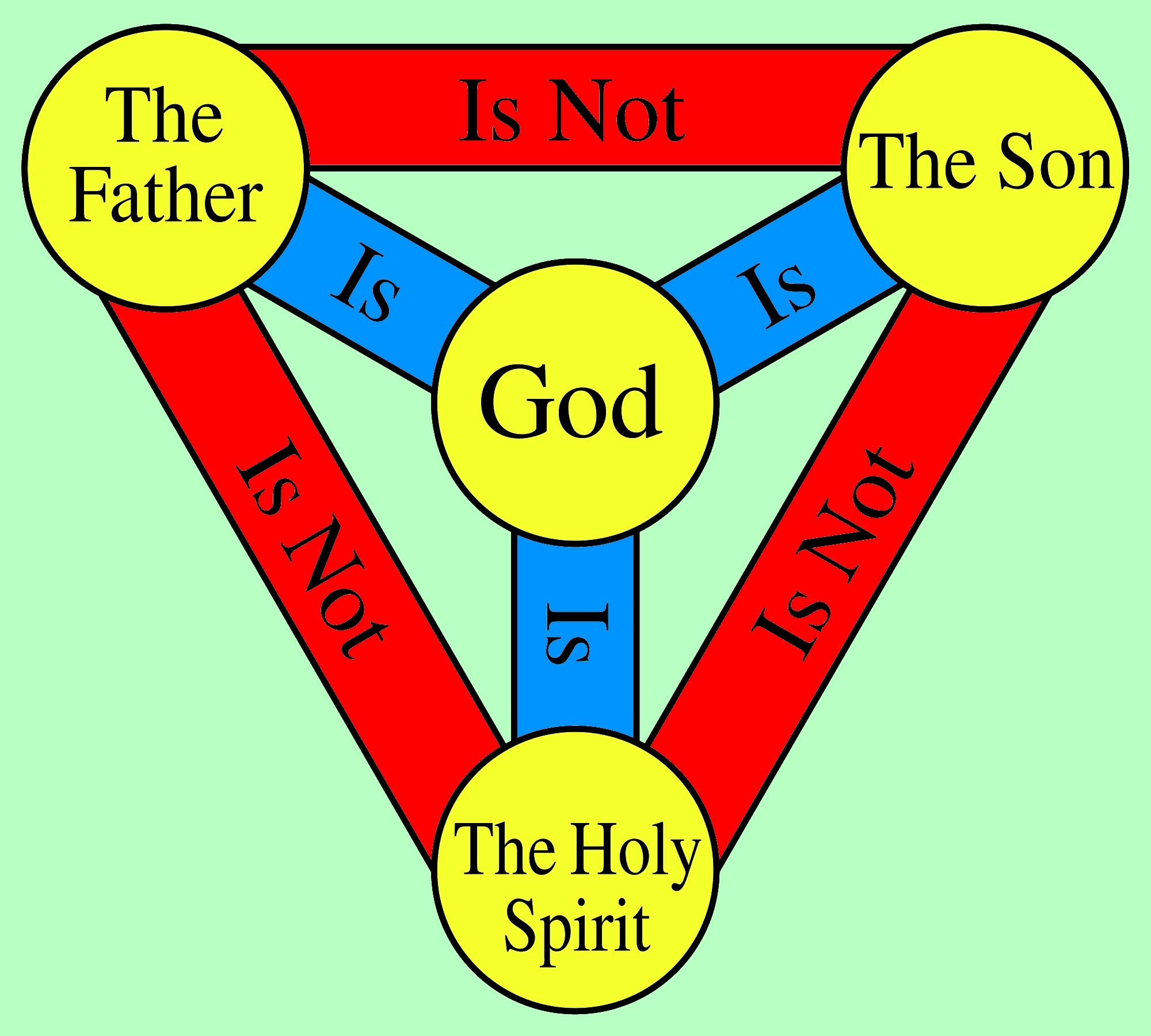
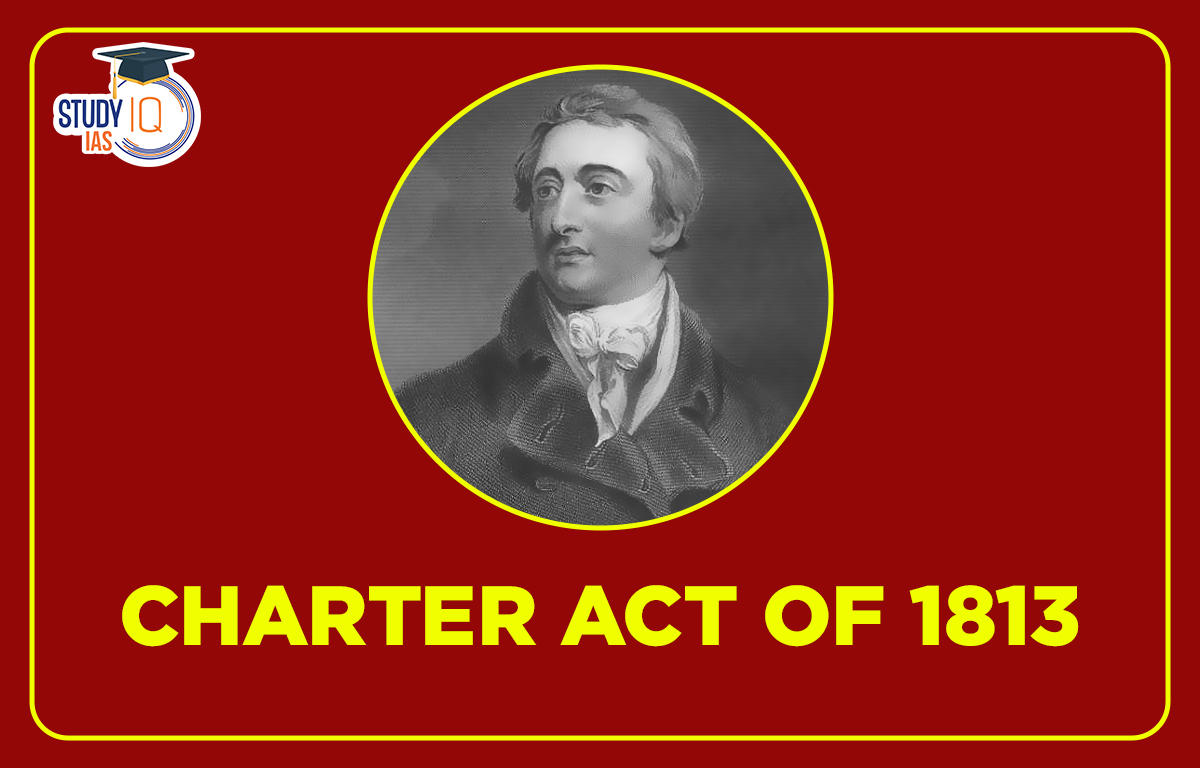
The act 53 Geo. 3. c. 160, sometimes called the Doctrine of the Trinity Act 1813, the Trinitarian Act 1812, the Unitarian Relief Act, the Trinity Act, the Unitarian Toleration Bill, or Mr William Smith's Bill (after Whig politician William Smith), was an act of the Parliament of the United Kingdom which amended its blasphemy laws and granted toleration for Unitarian worship.
- Section 1 amended the Toleration Act 1689 (1 Will. & Mar. c. 18) (passed by the Parliament of England) to include non-Trinitarians among the Protestant dissenters whose practices would be tolerated.
- Section 2 repealed the provision of the Blasphemy Act 1697 (9 Will. 3. c. 35) (also English) which imposed civil penalties on anyone professed or educated as a Christian who denied the Trinity.
- Section 3 repealed two Acts of the Parliament of Scotland which made blasphemy punishable by death: the Act against Blasphemy 1661 and Act against Blasphemy 1695.
The Dissenters (Ireland) Act 1817 (57 Geo. 3. c. 70) extended the act to Ireland, and amended the Prohibition of Disturbance of Worship Act 1719 (passed by the Parliament of Ireland) in the same way as the 1813 act had amended the 1689 act.
The whole act was repealed by the Statute Law Revision Act 1873 (36 & 37 Vict. c. 91).
Notes
References
Further reading
- Archibald John Stephens. The Statutes Relating to the Ecclesiastical and Eleemosynary Institutions of England, Wales, Ireland, India, and the Colonies. 1845. Volume 1. Pages 1066 and 1067.
- John Shortt. The Law Relating to Works of Literature and Art. Second Edition. 1884. Pages 368 and 369.